
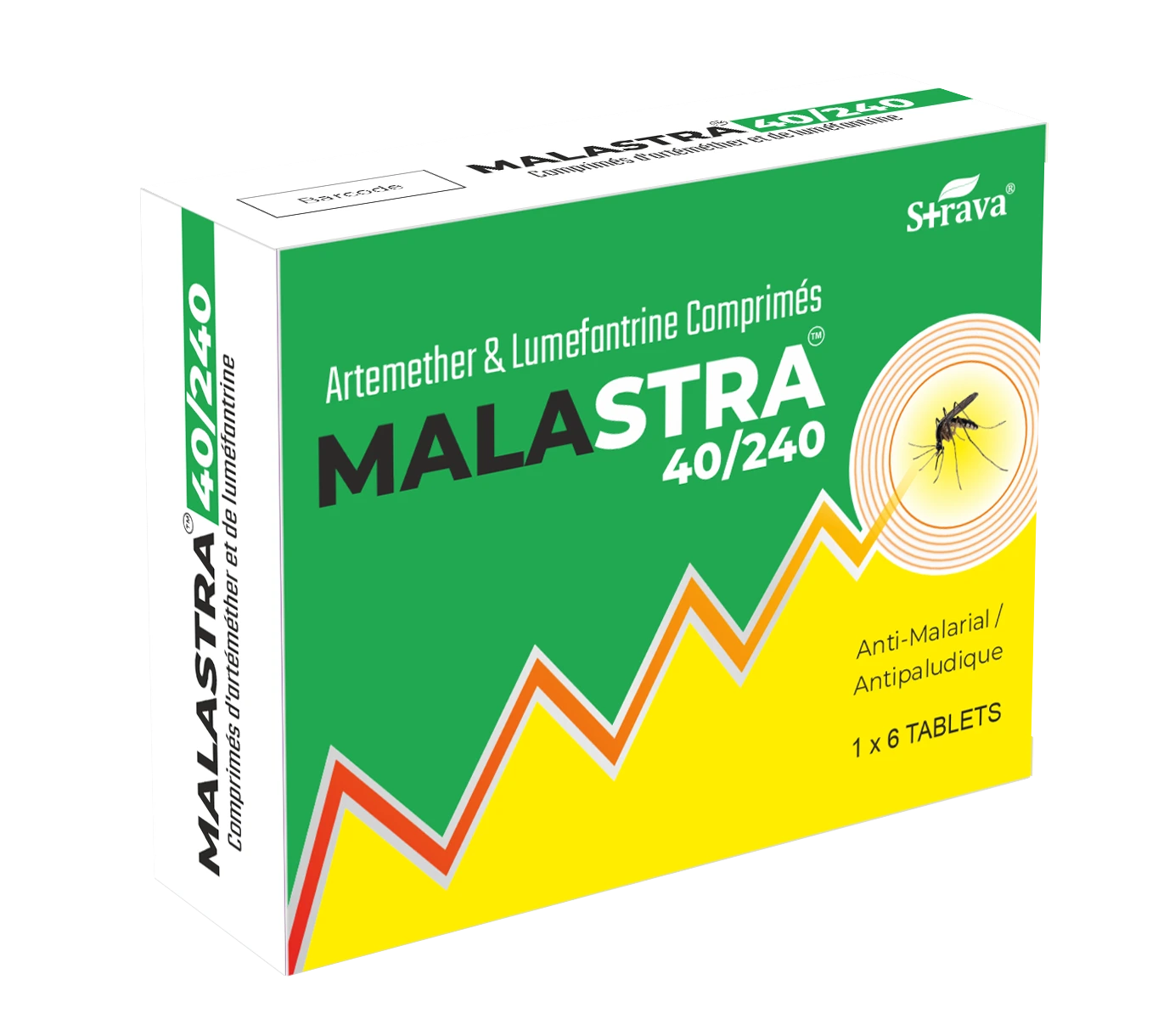
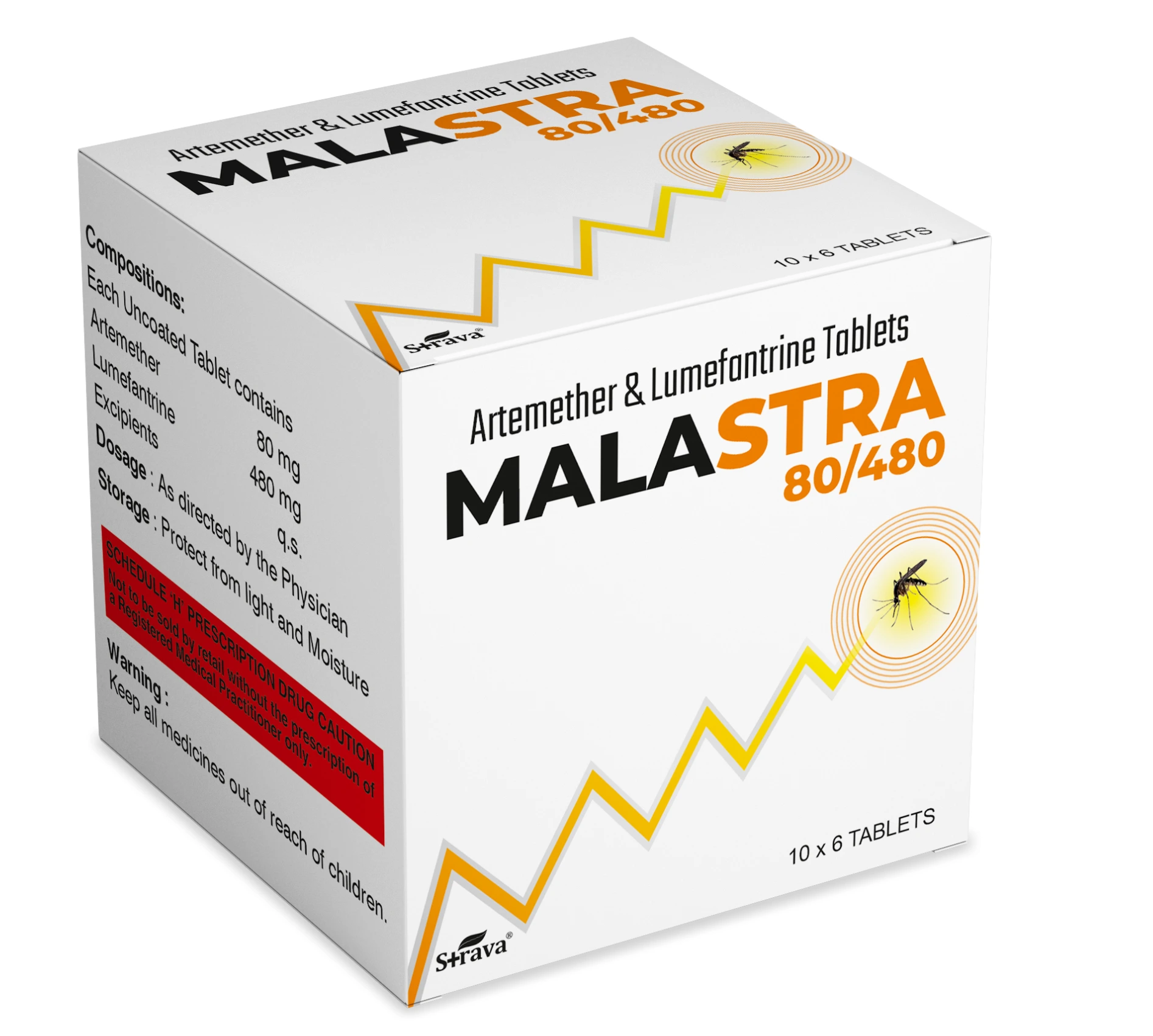
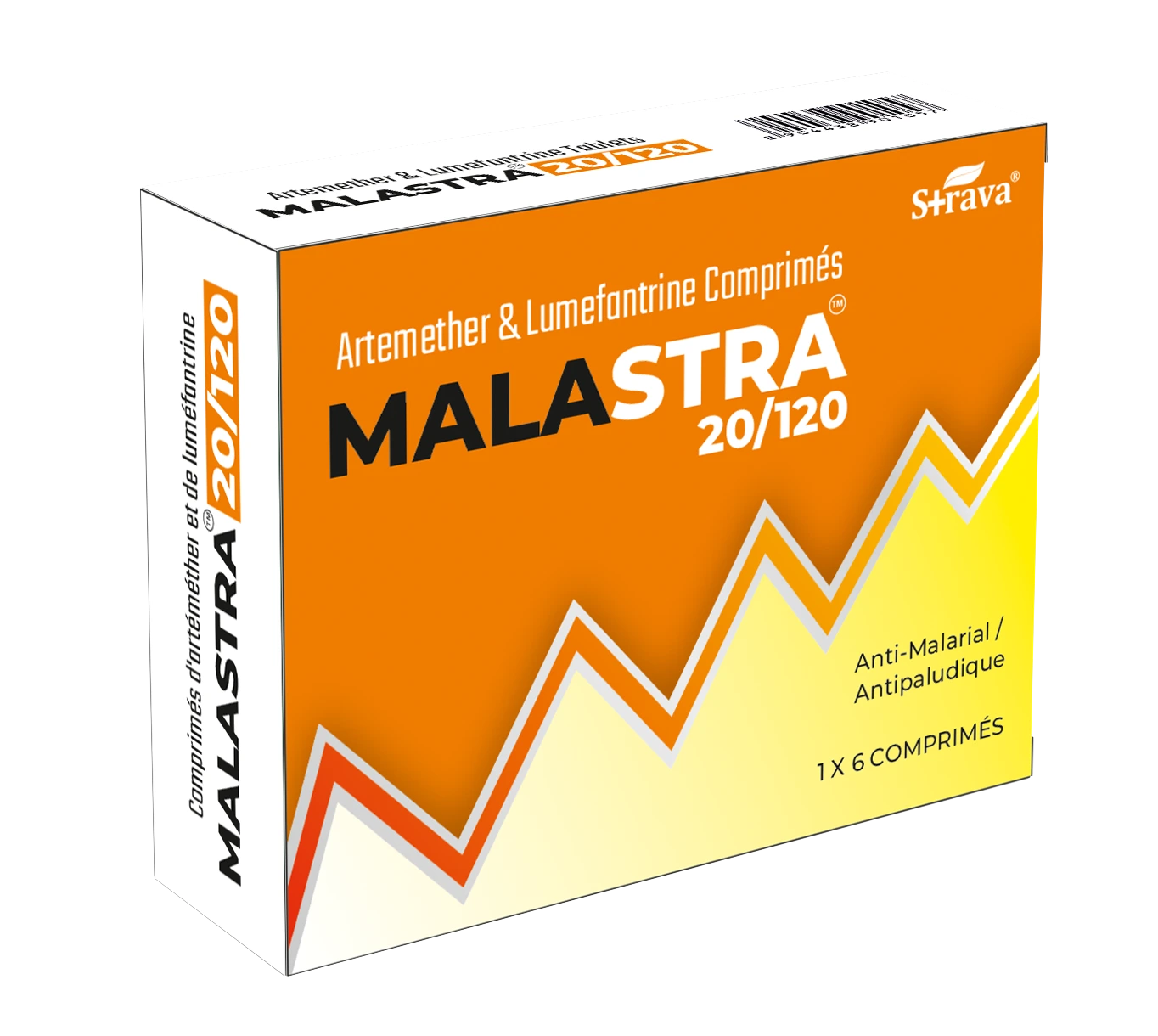

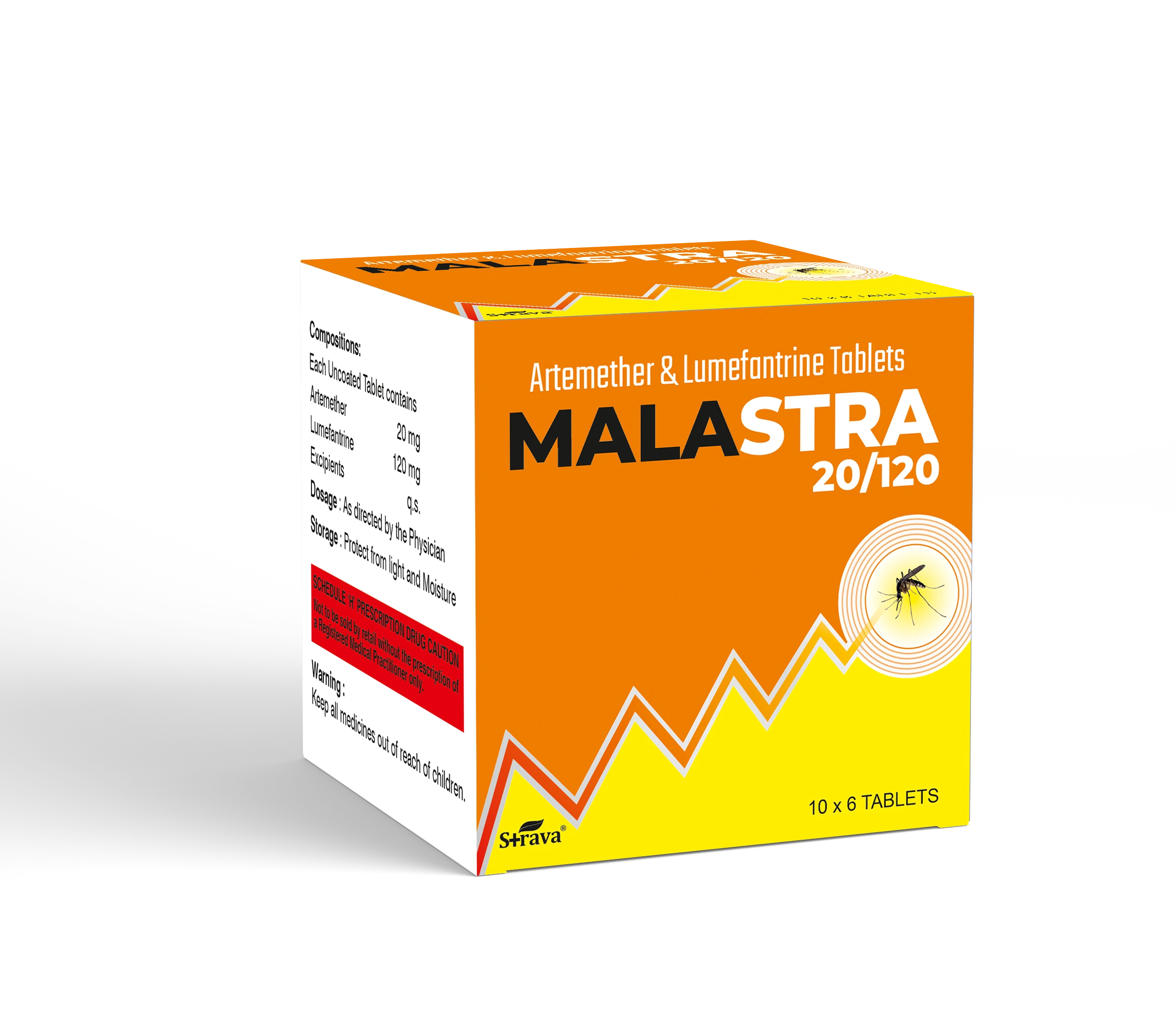
How It Works
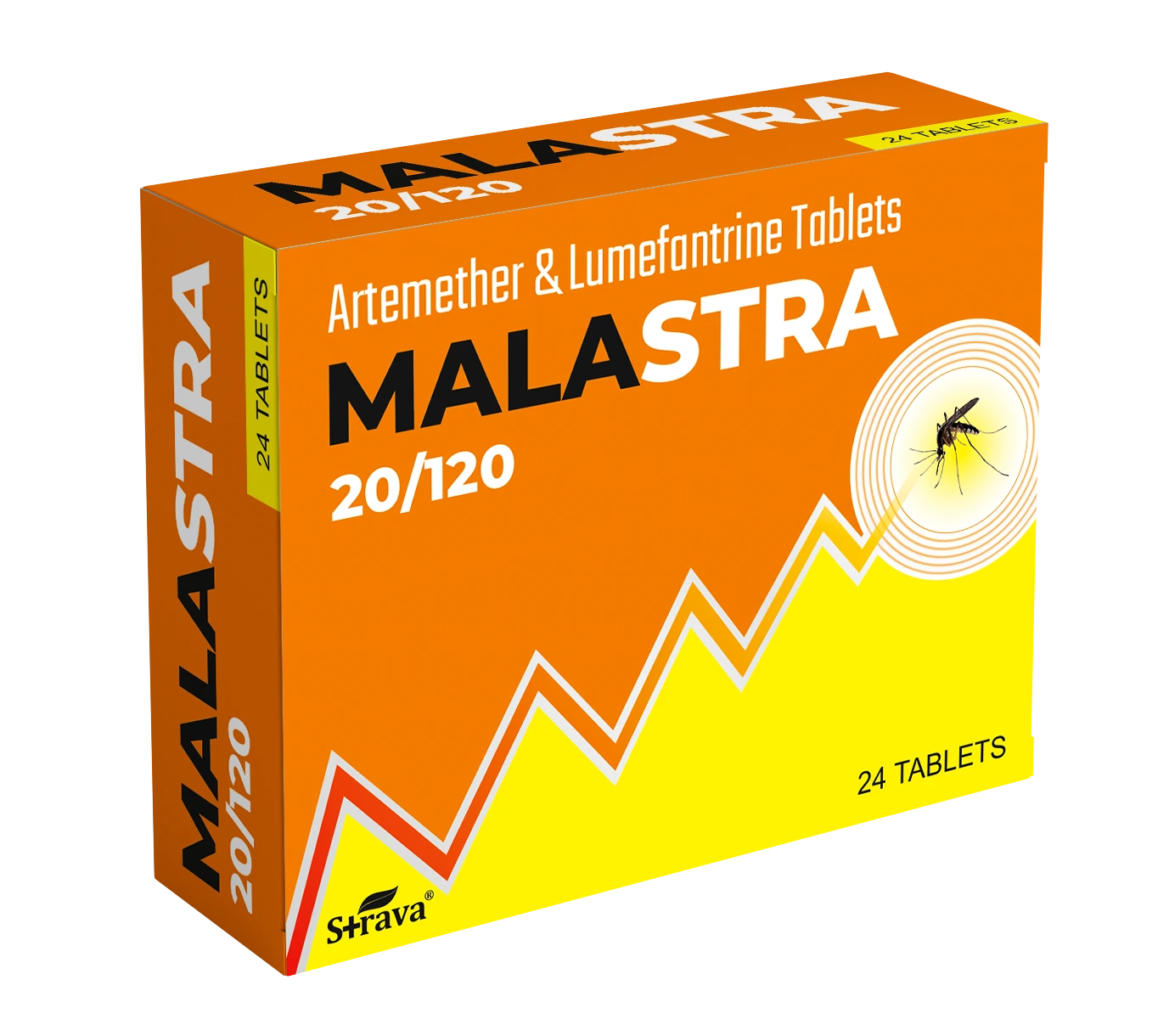
Artemether acts quickly to lower parasite biomass in the first 24–48 hours. Lumefantrine has a longer duration of action and clears residual parasites, lowering the risk of recrudescence. The integration is well-tolerated across all age groups and also includes infants above 5 kg.
Artemether Lumefantrine Tablets is in demand in Sudan, South Sudan, Nigeria, Ghana, Kenya, Malawi, Zambia, Angola, eritrea, Djibouti, Somalia, Senegal, Sierra Leone, Liberia, Democratic Republic of the Congo,
Indications
- First-line treatment for uncomplicated P. falciparum malaria
- Ideal for adults, children, and infants above 5 kg
- Available in dispersible tablet form for paediatric use
Manufacturing Quality
It is manufactured under GMP-certified conditions. Each and every batch has to undergo assay, dissolution, content uniformity, and microbiological testing. Batch documentation and third-party COAs are available.
B2B Supply
Product Specifications
| Parameter | Details |
|---|---|
| Active Ingredients | Artemether + Lumefantrine |
| Strengths | 20 mg / 120 mg per tablet |
| 40 mg / 240 mg per tablet | |
| 60 mg / 360 mg per tablet | |
| 80 mg / 480 mg per tablet | |
| Dosage Form | Tablet / Dispersible Tablet |
| Pack Sizes | 6-tablet blister (adult), 24-tablet pack |
| Storage | Below 30°C, dry place |
| Shelf Life | 36 Months |
| Manufacturer | Strava Healthcare Private Limited |
Frequently Asked Questions
The standard adult duration is six tablets taken twice daily for three days (at 0, 8, 24, 36, 48, and 60 hours). Tablets should be taken with food or a fatty drink to improve lumefantrine absorption.
Yes. Dispersible tablets are formulated for paediatric use in children above 5 kg. Dosing is weight-band based per national treatment guidelines.
Yes. We deliver private label and contract manufacturing for AL tablets with tailored branding, pack sizes, and multilingual labelling for export markets.
AL remains effective against most chloroquine-resistant and sulfadoxine-pyrimethamine-resistant P. falciparum strains. Partial artemisinin resistance has emerged in parts of Southeast Asia consult local treatment guidelines.